

Table of Contents
When homeowners receive a furnace installation estimate, one of the first questions they ask is why it costs so much to replace their heating system. It can be surprising to see how many details, materials and labor hours are involved in a job that seems simple on the surface.
The truth is that furnace installation is one of the most complex HVAC services because it affects the safety, performance and longevity of the entire heating system. This is especially important in Tucson, where winter nights get surprisingly cold and a properly installed furnace makes a major difference in comfort.
In this guide, you will learn what contributes to the cost of installing a furnace, why prices have increased in recent years and why proper installation matters more than anything else. With a clear understanding of these factors, homeowners can feel confident they are making the right decision for their home.
Key Takeaways
- Furnace installation costs reflect equipment quality, labor complexity, safety testing and necessary code compliance.
- High efficiency furnaces require advanced components, specialized venting and more installation steps, which increase costs.
- Home layout, ductwork condition and system accessibility play major roles in overall installation price.
- Rising manufacturing costs and updated federal efficiency standards have increased furnace prices in recent years.
- Proper installation protects performance, efficiency and safety, making professional work worth the investment.
What You Are Actually Paying for During a Furnace Installation
Many people assume the majority of the cost comes from the furnace itself. In reality, installation includes extensive labor, technical expertise, safety testing and necessary materials. Furnace installation is not simply a swap. It is a detailed process that must follow codes, manufacturer requirements and safety standards.
The Furnace Unit and Efficiency Rating
The cost of the furnace depends on its efficiency rating, features and size. High efficiency furnaces include advanced components such as secondary heat exchangers, variable speed blowers and more precise controls. These units cost more upfront but use significantly less energy, which helps reduce monthly bills.
Furnaces with higher efficiency ratings may also require additional materials and venting upgrades because the exhaust temperature and moisture content differ from older models.
Labor and Installation Complexity
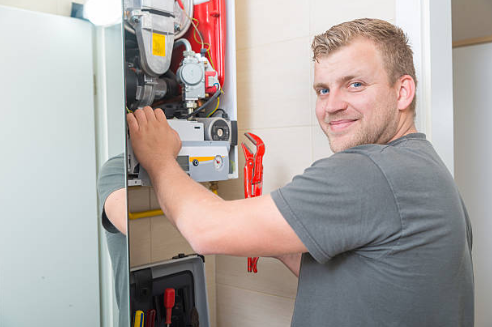
Experienced technicians spend several hours or more completing a furnace installation. Labor includes:
- Removing the old furnace safely
- Setting and leveling the new unit
- Connecting gas lines
- Running electrical wiring
- Installing venting
- Making duct adjustments
- Testing combustion and airflow
- Setting up the thermostat
Each step must be done correctly because mistakes can lead to system failure, high energy costs or safety risks.
Venting and Ductwork Adjustments
Most new furnaces cannot be connected to existing venting without modifications. Modern systems may require:
- New PVC venting
- Condensation drains
- Revised exhaust pathways
- Adjusted ductwork transitions
These changes add time and materials to the job. Older homes or homes with outdated ductwork may require more extensive adjustments to ensure proper airflow.
Safety Testing and System Calibration
A furnace installation is not complete until the technician performs detailed safety checks. This includes:
- Checking for gas leaks
- Testing ignition
- Verifying combustion levels
- Ensuring proper airflow across the heat exchanger
- Confirming that safety switches respond correctly
These steps are essential for safe operation and system longevity. They also ensure the furnace meets manufacturer standards, which protects your warranty.
Permits, Codes and Local Requirements
Furnace installation must follow building codes. Permits ensure a city inspector verifies the job meets safety and efficiency guidelines. This protects homeowners from unsafe installations that could cause carbon monoxide issues, electrical hazards or property damage.
Permits add cost but are necessary for compliance and long term household safety.
Factors That Influence the Cost of Furnace Installation
Not all furnace installations cost the same. Several variables affect the final price, especially when replacing older systems or upgrading to modern, high efficiency equipment.
Furnace Size and Heating Capacity
The size of the furnace determines material cost and installation requirements. A larger home needs a larger furnace with higher heating capacity. Choosing the correct size is critical. A furnace that is too small struggles to heat the home, while an oversized furnace short cycles and wastes energy.
Proper sizing requires professional load calculations to determine the right system for your home.
Home Layout and Accessibility
Installation becomes more complex when the furnace is located in:
- Tight closets
- Attic spaces with limited room
- Crawlspaces
- Multi level homes
Technicians need time and safe access to perform the work correctly. Difficult installation locations often require additional labor or equipment, which affects cost.
Existing System Condition
If the old furnace was poorly installed, or if ductwork and wiring are outdated, extra steps may be necessary. This could include updating:
- Electrical circuits
- Gas lines
- Venting materials
- Condensate systems
Each additional furnace repair increases labor and material requirements. Ensuring these systems are up to code is essential for safe furnace operation.
Fuel Type and Efficiency Level
Natural gas, electric and dual fuel furnaces all vary in cost. High efficiency gas furnaces use advanced technology and often require new venting. Electric furnaces have different electrical requirements. Dual fuel systems integrate heat pumps and require more controls.
Efficiency level, features and performance capabilities all influence pricing.
Replacement vs New Construction Installations
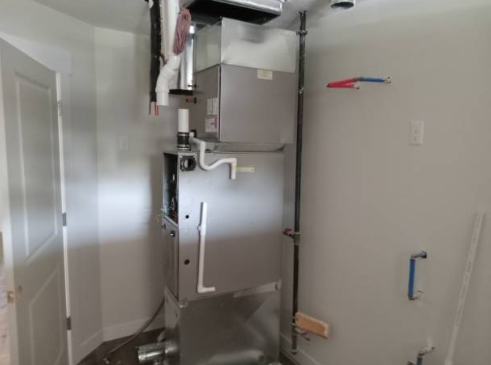
New construction homes are already designed for furnace installation, making the job more straightforward. Replacements require removal of the old unit and adjustments to fit the new one. Retrofit installations usually take longer and require more materials, which raises the cost.
Why Furnace Prices Have Increased in Recent Years
Homeowners often wonder why furnace prices seem higher than what they remember. Several industry-wide factors contribute to this trend.
Rising Equipment Manufacturing Costs
HVAC equipment manufacturing has changed significantly. Materials such as metals and electronic components have become more expensive. Supply chain challenges have also increased production costs.
Manufacturers have updated equipment to include more advanced sensors, safety technology and efficiency upgrades, which add to the price of newer units.
Higher Efficiency Standards
Federal regulations have increased the minimum efficiency requirements for furnaces. Modern furnaces must meet stricter standards, which means more advanced engineering, more durable components and more complex installation procedures.
These changes help reduce energy use but increase equipment cost.
Advanced Technology and Smart Capabilities
Many homeowners want smart thermostats, variable speed motors and advanced comfort control features. These upgrades improve comfort and efficiency, but they also raise the cost of both the equipment and the installation process.
What a Proper Furnace Installation Looks Like
Homeowners often wonder what happens during installation and why it takes several hours. A quality installation follows a detailed sequence to ensure safety and performance.
Full System Removal and Cleanup
Technicians disconnect and remove the old unit, dispose of it correctly and prepare the installation area. This often includes cleaning dust, old wiring and debris from the furnace space.
Proper Furnace Positioning and Secure Mounting
The furnace must be level, stable and positioned with proper clearance from walls and other equipment. Placement ensures optimal airflow and safe burner operation.
Venting, Gas Line and Electrical Connections
Technicians install or modify venting to match the new furnace. They secure gas lines, connect electrical wiring and verify each connection with safety checks.
Combustion and Airflow Testing
Once the furnace is running, technicians test:
- Ignition
- Flame stability
- Carbon monoxide levels
- Temperature rise
- Airflow rates
These tests confirm the furnace operates safely and efficiently.
Final Calibration and Homeowner Walkthrough
The final step is system calibration. The technician adjusts the furnace to match the home’s needs and walks the homeowner through operation, thermostat use and maintenance recommendations.
How Much Does a Furnace Installation Typically Cost
Furnace installation costs vary based on size, efficiency, home layout and additional work required. National averages provide a general idea, but Tucson installs vary depending on equipment availability, home age and the condition of existing HVAC systems.
Most homeowners can expect installations to fall into a broad range, depending on configuration, technology and labor requirements.
Is Paying More for Furnace Worth It?
Many homeowners wonder whether a higher price makes a meaningful difference. In the HVAC industry, proper installation has a greater impact on performance and lifespan than the furnace brand alone.
Longer System Lifespan
A furnace installed correctly experiences less overheating, fewer cycling issues and more stable operation over time. This directly increases its lifespan.
Better Efficiency and Lower Utility Bills
A professionally installed furnace delivers the efficiency it was designed for. Poor installation reduces system efficiency and increases utility costs.
Fewer Repairs Over Time
Improper installation is one of the leading causes of early furnace failure. Quality installation helps prevent problems such as cracked heat exchangers, ignition issues and poor airflow patterns.
Wrapping Up;
Furnace installation costs reflect the quality, safety and complexity of the work involved. From equipment selection and venting adjustments to combustion testing and final calibration, every part of the process ensures your home stays safely and efficiently heated. Understanding these factors helps homeowners make informed decisions and appreciate the long term value of proper installation.
Whenever you are ready to replace your furnace or want guidance on choosing the right model for your Tucson home, Tailored Mechanical is available to help you make a confident and comfortable upgrade.
Frequently Asked Questions
Why is furnace installation so expensive?
Installation includes far more than swapping equipment. Costs cover the furnace itself, labor, venting, electrical work, duct adjustments, permits and safety testing. High efficiency systems also require more advanced components. These factors combine to create a detailed and labor intensive process.
Does furnace size affect installation cost?
Yes. Larger furnaces cost more and require more extensive installation work. Proper sizing is essential because an incorrect furnace can reduce comfort, increase energy use and shorten system lifespan. Professional load calculations determine the correct size for your home.
Why do high efficiency furnaces cost more to install?
High efficiency furnaces use additional heat exchangers, advanced blowers, sophisticated controls and specialized venting. These components require more installation time and materials. They also deliver better long term energy savings and improved comfort.
Can installation costs be reduced by keeping old venting or ductwork?
In most cases no. Older venting and ductwork may not meet code or may not be compatible with modern furnaces. Using outdated components can damage the new unit or create safety risks. Updating these areas ensures proper performance.
Is professional furnace installation really necessary?
Yes. Furnace installation involves gas connections, electrical wiring, combustion testing and safety calibration. Improper installation can lead to high utility bills, system failure or safety hazards. Professional installation protects performance and ensures compliance with local codes.