
Table of Contents
A cracked heat exchanger is one of the most serious furnace issues a homeowner can face. It can lead to performance problems, safety risks and repeated furnace shutdowns that interrupt comfort during cold Tucson nights.
Heat exchanger damage is more common than many homeowners realize, especially in systems that have been running for many years or in furnaces struggling with airflow restrictions. Every heating season, technicians respond to calls where early warning signs were present for weeks before the homeowner understood what they meant.
In this guide, you will learn what a heat exchanger does, the most common signs that it may be cracked, what causes the damage and when to call a Tailored Mechanical for a professional diagnosis. With the right knowledge, you can protect your home, avoid unexpected breakdowns and improve furnace safety.
Key Takeaways
- A cracked heat exchanger can cause furnace shutdowns, poor heating performance and potential exposure to combustion gases.
- Warning signs include unusual odors, soot buildup, yellow flames, short cycling and unexplained noises.
- Health symptoms such as headaches or dizziness may indicate carbon monoxide concerns linked to furnace issues.
- Cracks often result from overheating, old age, corrosion or restricted airflow inside the furnace.
What a Heat Exchanger Does and Why Cracks Are Dangerous
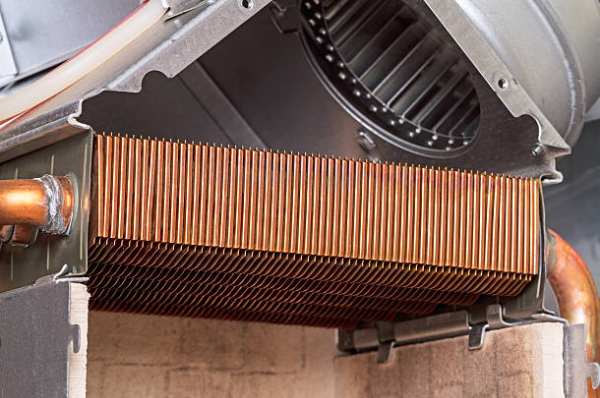
A heat exchanger is the core heating component of your furnace. It contains hot combustion gases while keeping them completely separate from the air that circulates into your home. Fresh indoor air passes over the outside of the exchanger, absorbing heat without ever mixing with combustion byproducts.
If a crack forms, the separation between combustion gases and indoor air becomes compromised. This can weaken heating performance, disrupt flame behavior and in some cases allow harmful gases to move into your home. Although not every crack leads to carbon monoxide exposure, any damage to the exchanger demands immediate professional attention.
How the Heat Exchanger Functions
Inside a gas furnace, fuel burns in a sealed chamber. The heat exchanger carries the hot gas produced by combustion and channels it safely toward the venting system. As your blower pushes air over this heated metal chamber, the air warms before entering your ducts. The entire process depends on a sealed, intact surface that transfers heat without leaking combustion byproducts.
Why Cracks Can Lead to Carbon Monoxide Exposure
Carbon monoxide is a natural byproduct of combustion. When a heat exchanger crack forms, the path separating combustion gases from indoor air becomes weakened. Even small cracks can allow gases to escape under the right pressure conditions. This is why a cracked heat exchanger is treated as a safety risk and why professional inspection is essential.
7 Most Common Signs of a Cracked Heat Exchanger
Cracks in a heat exchanger rarely appear suddenly. Instead, the furnace usually shows a pattern of warning signs. Not every symptom confirms a cracked exchanger, but each one indicates that something is wrong within the furnace and needs inspection.
1. Unusual or Strong Furnace Odors
A cracked heat exchanger can cause the furnace to release unusual odors. Homeowners often describe a metallic, burning or chemical smell when the system is running. These odors can travel through the duct system and become noticeable in living areas. They often signal incomplete combustion or leaking combustion gas.
2. Soot Buildup Around the Furnace
Soot is a black, powdery substance that forms when combustion becomes irregular or incomplete. If soot appears around the furnace cabinet or near the burners, it may indicate that the heat exchanger is damaged or the combustion chamber is not functioning properly. Soot is a clear sign that combustion is not as clean as it should be.
3. Frequent Furnace Shutdowns or Short Cycling
Many modern furnaces contain safety switches that respond to abnormal conditions. If the furnace detects overheating, flame disruption or pressure changes caused by a cracked exchanger, it will shut down to prevent damage. When this happens repeatedly, the furnace may short cycle, turning on and off quickly without completing full heating cycles.
Short cycling wastes energy, reduces comfort and signals internal furnace trouble.
4. Yellow Furnace Flame Instead of Blue
A healthy gas flame burns blue and steady. A yellow or orange flame indicates incomplete combustion. While this can happen for several reasons, it is also a potential sign of a crack in the heat exchanger because the airflow inside the combustion chamber becomes unstable. This instability changes the flame shape and color.
Any change in flame appearance should be checked immediately.
5. Water Pooling at the Base of the Furnace
Some condensation is normal in high efficiency furnaces. However, water pooling beneath the furnace can indicate improper combustion or venting issues. A cracked heat exchanger may interfere with the way gases and moisture flow through the system, causing water buildup around or under the furnace.
6. Visible Cracks or Corrosion Inside Furnace Cabinet
Technicians often identify cracks during a detailed inspection. Signs of trouble include rust, corrosion, soot streaks and visible splits in the metal surface. Because heat exchangers are not easily visible without removing furnace components, homeowners rarely spot cracks themselves. However, if you see corrosion or warped metal near the burner area, this may indicate underlying damage.
7. Strange Noises During Heating Cycles
A cracked heat exchanger may create unusual sounds such as popping, rattling or clanging when the furnace runs. As the metal heats and cools, weakened sections expand and contract differently from the rest of the chamber. This produces sounds that were not present when the furnace was new.
If you hear new noises during ignition or heating cycles, the furnace should be inspected promptly.
Health and Safety Warning Signs
While the symptoms above relate to furnace behavior, some warning signs relate directly to occupants in the home.
Headaches, Dizziness or Nausea Among Occupants
If family members experience unexplained headaches, dizziness or nausea when the furnace runs, carbon monoxide exposure could be a concern. These symptoms may appear mild at first but become more noticeable over time. If you experience any of these issues, turn the furnace off immediately and ventilate the home.
CO Detector Frequently Sounding or Erroring
Carbon monoxide detectors play a crucial role in home safety. If a detector activates repeatedly or displays error codes while the furnace runs, it may be responding to combustion gases escaping from a cracked heat exchanger. Never ignore a CO alarm. Even if it later resets, the cause should be investigated.
What Causes a Heat Exchanger to Crack
Understanding the causes helps homeowners prevent future problems.
Overheating Due to Poor Airflow
Restricted airflow is one of the leading causes of heat exchanger cracks. When airflow drops because of a dirty filter, blocked vents or blower problems, the exchanger overheats. Repeated overheating weakens the metal and eventually leads to cracking.
Old Age and Normal Wear
Heat exchangers endure thousands of heating cycles throughout their lifespan. As the metal heats and cools repeatedly, it expands and contracts. After many years, this cycle can cause fatigue and cracking, especially in older furnaces.
Rust, Corrosion and Moisture Exposure
Although Tucson is dry most of the year, monsoon moisture, plumbing leaks or improper venting can expose the heat exchanger to rust and corrosion. Corrosion weakens metal surfaces and creates brittle areas that can split under heat stress.
Incorrect Furnace Sizing or Installation Problems
A furnace that is too large for the home may cycle on and off more frequently. Excessive cycling stresses the heat exchanger. Installation mistakes, such as improper venting or incorrectly adjusted gas pressure, can also accelerate heat exchanger damage.
How Tailored Mechanical Diagnoses a Cracked Heat Exchanger
A cracked heat exchanger cannot be confirmed by guesswork. Tailored Mechanical technicians use specific diagnostic steps to identify signs of damage.
Visual Inspection with Specialized Lighting
Technicians use mirrors, cameras and bright lighting to check hard to reach areas inside the heat exchanger. This helps reveal cracks, holes or thinning metal.
Testing Flame Behavior and Airflow
The technician observes how the flame behaves when airflow changes. Disturbances in flame patterns can indicate internal leaks.
CO Measurements and Combustion Analysis
Advanced tools measure carbon monoxide levels in the furnace exhaust. Elevated CO levels or inconsistent combustion patterns often point to heat exchanger issues.
These steps ensure accurate diagnosis without unnecessary system replacement.
What to Do If You Suspect a Cracked Heat Exchanger
If you notice signs of a cracked heat exchanger, take immediate action.
Turn Off the Furnace
Stopping operation prevents further damage and reduces safety risks.
Ensure CO Detectors Are Working
Check that your carbon monoxide detectors have power and fresh batteries.
Schedule Professional Inspection
Only a licensed technician can inspect and confirm heat exchanger damage. Tailored Mechanical provides detailed assessment and clear recommendations.
Repair or Replace
Once a crack is confirmed, the technician will discuss whether repair or furnace replacement is the better option. Small cracks may be repairable, but most heat exchangers require replacement due to safety concerns. If the furnace is older or inefficient, replacing the entire system may be more cost effective in the long term.
How to Prevent Heat Exchanger Cracks in the Future
Preventive care reduces stress on the heat exchanger and helps maintain furnace safety.
Replace Filters Regularly
A clean filter ensures proper airflow, which protects the exchanger from overheating.
Schedule Annual Furnace Maintenance
Yearly tune ups catch issues early, clean burners and ensure proper combustion.
Improve Airflow Throughout the Home
Keep vents open, remove obstructions and ensure return air pathways are unobstructed. Proper airflow supports healthy furnace operation.
Wrapping Up;
A cracked heat exchanger is a serious issue that requires prompt attention. Early signs often appear in the form of odors, flame irregularities, repeated shutdowns or unusual noises. Understanding these warning signals helps you protect your home and heating system.
If you notice any signs that suggest heat exchanger damage, Tailored Mechanical is ready to provide a thorough inspection and clear guidance to restore safe and reliable heat for your home.
Frequently Asked Questions
How dangerous is a cracked heat exchanger?
A cracked heat exchanger can allow combustion gases to escape into indoor air. While not every crack releases carbon monoxide, the risk is serious enough that the furnace should be turned off and inspected immediately. Professional testing is required to confirm the issue.
What does a cracked heat exchanger smell like?
Homeowners often notice metallic, burning or chemical odors when the exchanger is damaged. These smells indicate incomplete combustion or escaping gases. Any unusual furnace odor should be taken seriously and checked by a licensed HVAC technician.
Can my furnace still run with a cracked heat exchanger?
The furnace may still run, but it should not. Many modern furnaces shut down automatically when sensors detect unsafe conditions. Continuing to operate the furnace risks further damage and potential exposure to combustion byproducts.
What causes a heat exchanger to crack?
Cracks usually form from overheating, blocked airflow, old age, rust, improper installation or excessive cycling. Restricted filters and poor airflow are among the most common contributors. Routine maintenance significantly reduces the likelihood of exchanger damage.
Should I repair or replace a cracked heat exchanger?
Small cracks may sometimes be repaired, but replacement is usually the safer and more reliable option. If the furnace is older or inefficient, full system replacement often provides better long term value and performance.