
Table of Contents
If your furnace overheats, it can feel sudden and alarming. The system shuts off without warning. A burning smell may linger. Heat stops circulating even though the thermostat is calling for warmth.
What many homeowners do not realize is that furnace overheating is usually a safety response, not a random failure.
The system is protecting itself from damage. The real problem is what caused the heat buildup in the first place. Understanding those causes helps you act quickly, safely, and correctly.
In this guide, we will explain why furnaces overheat, what the warning signs look like, and how to stop a small issue from turning into a major furnace repair.
Key Takeaways
- Furnace overheating is a safety response, not a random system failure.
- Restricted airflow is the most common cause of furnace overheating.
- Dirty filters and blocked vents often trigger overheating shutdowns.
- Repeated overheating can damage critical furnace components over time.
- Early professional inspection helps prevent costly repairs and safety risks.
Why Is My Furnace Overheating?
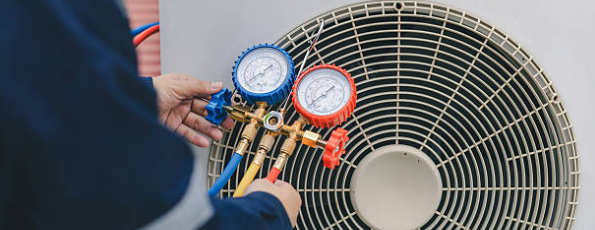
A furnace overheats when heat cannot move through the system properly or when internal components fail to regulate temperature. In most cases, restricted airflow, dirty components, or failing safety controls cause internal temperatures to rise beyond safe limits.
Modern furnaces are designed with safety mechanisms that monitor heat levels. When those sensors detect excessive temperature, the system shuts itself off to prevent damage.
This is why an overheating furnace often runs briefly, shuts down, then restarts again. The shutdown is not a failure. It is a warning.
What Happens When a Furnace Overheats?
When a furnace overheats, the high limit switch is triggered. This switch is designed to cut power to the burners when temperatures exceed safe operating levels. Once the system cools down, it may restart automatically.
Repeated overheating puts stress on multiple components. The blower motor works harder. Electrical parts cycle more often. Heat exchangers experience uneven expansion and contraction.
Over time, this wear can lead to cracked components, system shutdowns, and loss of efficiency. Treating overheating as a minor inconvenience instead of a warning often leads to more expensive repairs later.
6 Common Causes of Furnace Overheating
Furnace overheating usually comes down to airflow problems or internal component issues. These are the most common causes technicians find during inspections.
1. Dirty or Clogged Air Filter
A dirty air filter is the most common cause of furnace overheating. When airflow is restricted, heat builds up inside the furnace instead of being carried away through the ductwork. This trapped heat quickly triggers the safety shutdown.
Many homeowners underestimate how quickly filters clog, especially in homes with pets, dust, or frequent system use. Running a furnace with a dirty filter forces it to work harder and overheat repeatedly.
2. Blocked or Closed Air Vents
Closed or blocked vents reduce airflow just as much as a dirty filter. Furniture, rugs, or closed registers limit how much warm air can move through the system. When too many vents are blocked, heat stays inside the furnace and raises internal temperatures.
This problem often appears after home rearrangements or seasonal changes when vents are closed in unused rooms.
3. Blower Motor or Fan Problems
The blower motor is responsible for moving warm air through the ductwork. If the motor is failing, running weakly, or not spinning at the proper speed, airflow drops significantly.
Worn bearings, electrical strain, or motor control issues can all reduce airflow. When heat cannot move away from the heat exchanger efficiently, overheating becomes likely.
4. Dirty Heat Exchanger or Internal Components
Dust, debris, and buildup inside the furnace reduce heat transfer. A dirty heat exchanger cannot release heat properly, causing temperatures to rise internally.
This type of buildup develops slowly and often goes unnoticed without professional inspection. Regular maintenance helps prevent this issue and keeps heat moving where it should.
5. Faulty Limit Switch or Sensors
Sometimes the furnace is not actually overheating. Instead, a faulty limit switch or temperature sensor sends incorrect readings, causing unnecessary shutdowns.
While this is less common than airflow problems, it still requires professional diagnosis. Ignoring sensor issues can lead to unreliable heating and repeated system interruptions.
6. Oversized Furnace System
An oversized furnace heats the home too quickly and shuts off before completing a proper cycle. This short cycling prevents heat from distributing evenly and can cause internal temperature spikes over time.
Oversized systems are more prone to overheating because they generate more heat than the ductwork and airflow can handle efficiently.
Warning Signs Your Furnace Is Overheating
Furnace overheating rarely happens without clear warning signs. Homeowners often notice patterns before complete failure.
One of the most common signs is frequent shutdowns. The furnace starts, runs briefly, then shuts off before reaching the set temperature. This cycle may repeat several times.
Burning or hot metal smells are another warning sign. While mild odors during the first seasonal startup can be normal, persistent burning smells should not be ignored.
Extremely hot air coming from vents can also indicate overheating. The air may feel hotter than usual before the system shuts down.
Unusual noises, such as loud humming or clicking during shutdown, may also appear as safety controls activate repeatedly.
Is Furnace Overheating Dangerous?
Furnace overheating should always be taken seriously. While safety systems prevent immediate damage, repeated overheating increases the risk of serious issues.
Excessive heat can damage the heat exchanger, which is one of the most critical and expensive furnace components. Cracks in the heat exchanger can allow combustion gases to escape into the home.
Electrical components exposed to high temperatures wear out faster. Wiring insulation can degrade. Motors and control boards experience unnecessary stress.
Addressing overheating early protects both safety and system lifespan.
What You Can Safely Check Before Calling for Service
There are a few safe steps homeowners can take before scheduling professional service.
- Replace the air filter.
If the filter looks dirty or clogged, replace it immediately. This simple step often resolves overheating caused by airflow restriction. - Open all vents and registers.
Make sure vents throughout the home are open and unobstructed. Remove furniture or rugs blocking airflow. - Check return air areas.
Ensure return grilles are not blocked by furniture or debris. Restricted return airflow can also cause overheating. - Reset the thermostat once.
If the furnace shuts down unexpectedly, resetting the thermostat once may restore operation temporarily. Repeated shutdowns indicate a deeper issue.
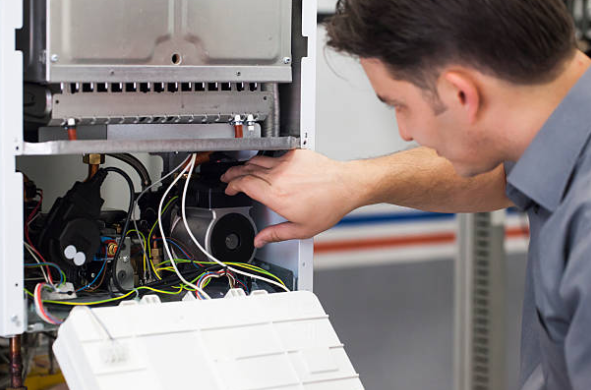
Avoid opening furnace panels or touching internal components. If the furnace continues to overheat after these steps, professional inspection is necessary.
When to Call a Professional for Furnace Overheating
If your furnace shuts down repeatedly, emits burning smells, or produces extremely hot air, professional service should not be delayed. Overheating often involves internal components that require proper tools and training to inspect safely.
If airflow checks do not resolve the issue, or if overheating continues, contact us at Plunkett Home Services for a professional evaluation. A trained technician can identify whether the problem involves airflow, electrical components, sensors, or system sizing and restore safe operation.
Prompt service helps prevent further damage and keeps heating reliable during colder periods.
On A Final Note;
Furnace overheating is a warning, not a random malfunction. It signals that heat is not moving through the system properly or that safety controls are being triggered. Dirty filters, blocked vents, failing blower motors, and internal buildup are common causes. Ignoring these signs increases the risk of serious damage and costly repairs.
If your furnace is overheating or shutting down unexpectedly, reach out to us at Plunkett Home Services for an inspection and keep your heating system running safely and efficiently.
FAQs
Why does my furnace keep shutting off and restarting?
Frequent shutdowns are often caused by overheating. When internal temperatures rise too high, the furnace activates safety controls and shuts down to prevent damage. Airflow restrictions and dirty filters are common causes.
Can a dirty air filter really cause a furnace overheating?
Yes, a clogged air filter restricts airflow and traps heat inside the furnace. This heat buildup quickly triggers the high limit switch, causing the system to shut down until it cools.
Is it safe to run my furnace if it smells hot?
Persistent burning or hot metal smells should not be ignored. These odors often signal overheating or electrical strain. It is safer to shut the system off and schedule a professional inspection.
Can furnace overheating damage the heat exchanger?
Yes, repeated overheating increases stress on the heat exchanger and can lead to cracks over time. Heat exchanger damage is serious and often results in costly repairs or furnace replacement.