

Table of Contents
A heat pump that continues running after the thermostat shows the temperature has been reached can leave many Tucson homeowners confused, frustrated or worried that something is wrong. You expect the system to cycle off once your home warms to the set point, yet it keeps running as if it never received the message.
This is one of the most common winter performance questions local technicians receive, especially during the colder desert mornings when temperature swings are dramatic and systems work harder to maintain comfort.
In this guide, you will learn why a heat pump may keep running even after the temperature is reached, how to tell the difference between normal operation and an actual problem and what you can do to restore proper heating performance.
You will also learn when it is time to call Tailored Mechanical for expert diagnosis. With the right information, you can keep your home comfortable and protect your system from unnecessary strain.
Key Takeaways
- A heat pump may continue running after reaching the set temperature due to cold desert nights or thermostat inaccuracies.
- Low refrigerant, weak airflow and outdoor debris commonly force longer run cycles in Tucson homes.
- A system that never cycles off or cannot maintain comfort often indicates a mechanical or airflow problem.
- Simple steps like replacing filters, clearing debris and adjusting thermostat settings often improve cycle timing.
Why Your Heat Pump Keeps Running After the Temperature Is Reached
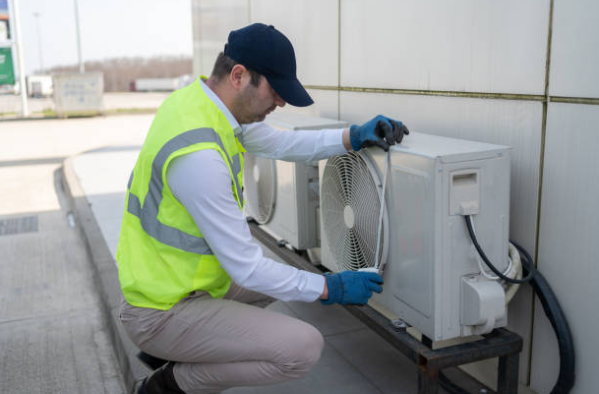
If your heat pump does not shut off when the thermostat hits the target temperature, it may not be malfunctioning at all. Heat pumps behave differently from gas furnaces. They move heat rather than create it, so they often run longer to maintain comfort. Tucson’s unique desert climate also plays a major role because nighttime temperatures can drop quickly, making it harder for the outdoor unit to pull heat from the air.
Understanding these influences helps you identify what is normal and what needs attention.
Tucson Nights Are Too Cold for Fast Heating
Cold desert nights create a unique challenge for heat pumps. When outdoor temperatures drop sharply, the system must work harder to extract enough heat from the air. Heat pumps are most efficient in moderate temperatures, but they can struggle during cold mornings when the desert air is dry and heat energy becomes limited.
As a result, the heat pump runs longer than expected just to maintain indoor temperatures. In many Tucson homes, the system also must compensate for large temperature swings between night and day. If the home remains comfortable, longer run times may simply reflect normal operation.
Thermostat Misreading the Indoor Temperature
If your thermostat is not reading indoor temperatures correctly, it may continue calling for heat even when your home is already warm. Several issues can cause thermostat misreads:
- Direct sunlight or heat exposure
- Improper placement near vents or appliances
- Dust buildup on the internal sensor
- Calibration drift over time
When the thermostat senses incorrect temperature levels, it never sends the signal for the heat pump to turn off. The system continues running even though the actual room temperature has already been reached.
Low Refrigerant Levels
Refrigerant is the key to transferring heat from the outdoors into your home. When refrigerant levels drop due to a leak or imbalance, the heat pump can no longer absorb enough heat. The system must run much longer to meet the thermostat setting and may still fail to maintain comfort.
Low refrigerant often causes additional performance problems, such as weak airflow or frost forming on the outdoor coil. Because refrigerant work requires specialized equipment, only a certified technician should diagnose or repair leaks.
Dirty or Blocked Air Filter
A dirty air filter restricts airflow, forcing the heat pump to run longer and harder to maintain warmth. Restricted airflow reduces the system’s ability to push warm air through the home. When the system cannot move air effectively, it continues running even after the thermostat displays the desired temperature.
A clogged filter can also lead to overheating, reduced efficiency and long runtime cycles that wear down components. Replacing the filter is one of the easiest and most effective ways to restore proper cycle timing.
Outdoor Unit Covered in Dust or Desert Debris
Tucson landscapes create unique HVAC challenges. Dust storms, monsoon debris and vegetation can easily collect around the outdoor unit. When airflow around the heat pump becomes restricted, the system cannot absorb heat efficiently. This forces longer run times and reduces overall performance.
Cottonwood seeds, dust buildup and fallen branches can also block airflow inside the coil, extending cycle time and increasing energy use. Clearing the area around the unit helps improve heating performance significantly.
Frozen Coil or Defrost Issues
When temperatures drop, frost may develop on the outdoor coil. The heat pump enters defrost mode to melt the ice. Occasional frost is normal, but excessive or persistent frost reduces heat absorption and forces the system to run longer.
If the defrost cycle is malfunctioning or the coil is freezing due to airflow or refrigerant issues, the heat pump may run continuously without delivering proper warmth.
Undersized Heat Pump System
If the heat pump is too small for the home, it will run almost constantly in an attempt to reach the set temperature. Undersized systems are unable to keep up during extreme temperature changes. This leads to long run cycles, uneven comfort and higher energy bills.
A properly sized heat pump should heat the home efficiently without continuous operation. If your system never cycles off, size may be a factor worth evaluating.
3 Signs Your Heat Pump Running Constantly Is a Real Problem
Longer run cycles can be normal depending on outdoor temperatures. However, certain signs indicate that continuous operation reflects a deeper issue rather than normal behavior.
1. Home Still Feels Cool Even After Long Run Times
If the system runs for hours yet the home never feels warm enough, the heat pump is struggling. This often means:
- Weak airflow
- Low refrigerant
- Heating element failure
- Thermostat miscommunication
These issues require professional diagnosis to prevent further strain on the system.
2. Heat Pump Never Cycles Off
A healthy system should cycle on and off throughout the day. If the heat pump never turns off, even during mild weather, something is preventing the system from reaching or recognizing the set temperature. This may involve electrical components, thermostat settings or internal mechanical issues.
3. Sudden Increase in Energy Bills
When a heat pump runs longer than necessary, energy consumption rises. A sudden jump in utility bills is often one of the first signs homeowners notice. High bills combined with long cycle times usually indicate airflow problems, refrigerant issues or stressed mechanical parts.
How to Fix a Heat Pump That Runs After the Temperature Is Reached
Before scheduling professional service, there are several safe and simple steps homeowners can take to improve system performance.
Replace the Air Filter
A clean filter ensures proper airflow and supports normal heating cycles. If the filter is dusty or discolored, replacing it can immediately improve heating efficiency and reduce long run times.
Check Thermostat Settings and Location
Make sure the thermostat is:
- Set to heat
- Adjusted to a temperature higher than the room temperature
- Placed away from heat sources and direct sunlight
If the thermostat is in a poor location or has drifted in accuracy, it may not signal the heat pump to shut off.
Clear the Outdoor Unit
The outdoor unit must have at least two to three feet of clear space to operate efficiently. Remove leaves, dust, soil, cottonwood fluff and debris that may block airflow. A gentle cleaning can improve coil efficiency and reduce run time.
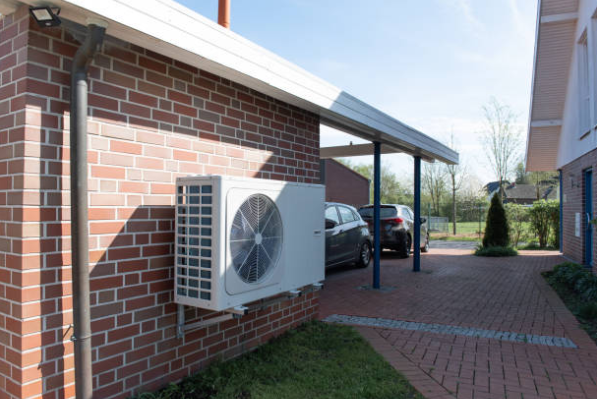
Allow Extra Time During Very Cold Nights
Heat pumps naturally run longer during cold desert nights. If indoor temperatures remain steady, extended run cycles may not indicate a problem. However, if the system continues running nonstop once outdoor temperatures rise, professional service is recommended.
When to Call Tailored Mechanical
If basic troubleshooting does not restore normal heating cycles, it is time to call a professional. Tailored Mechanical technicians can diagnose issues such as:
- Refrigerant leaks
- Frozen coils
- Electrical or control board problems
- Faulty sensors
- Strained compressors
- Improper system sizing
Their expertise ensures accurate diagnosis and safe, reliable heating performance. In Tucson’s climate, a properly functioning heat pump is essential for comfort during both winter mornings and summer nights when temperatures fluctuate dramatically.
How to Prevent Heat Pump Overrunning in the Future
Heat pump performance depends on consistent maintenance and proper airflow. Preventive care reduces strain and supports efficient cycles.
Keep the Outdoor Unit Clean Year Round
Dust and debris accumulate quickly in desert environments. Checking the outdoor unit regularly ensures proper airflow and heat absorption.
Replace Air Filters Regularly
Clean filters are the foundation of efficient HVAC operation. Check monthly and replace as needed to support normal cycle timing.
Schedule Seasonal Maintenance
Professional tune ups catch coil issues, refrigerant imbalance, electrical wear and airflow problems early. This protects efficiency and extends the life of your heat pump.
Final Thoughts:
A heat pump that keeps running after the thermostat shows the temperature has been reached can signal normal operation or it can indicate an issue with airflow, refrigerant, thermostat accuracy or outdoor conditions. Understanding these factors helps you determine when to troubleshoot at home and when to request a professional inspection. If your heat pump continues running nonstop or fails to maintain comfort, Tailored Mechanical can diagnose the cause and restore efficient, reliable heating.
Frequently Asked Questions
Why does my heat pump keep running even after reaching the set temperature?
Heat pumps often run longer during cold desert nights because they extract heat from outdoor air. If the thermostat misreads the temperature, or if airflow is restricted, the system may continue running unnecessarily. Checking filters and thermostat settings can resolve simple causes.
Is it normal for a heat pump to run constantly in winter?
Yes, especially in Tucson where temperatures drop sharply at night. Heat pumps run longer to maintain warmth when heat energy in the outdoor air is low. If the home still feels cold or the system never cycles off, a deeper issue may be present.
Can low refrigerant cause a heat pump to run nonstop?
Low refrigerant reduces the system’s ability to absorb heat, forcing it to run much longer to reach the desired temperature. This often results in long cycles, weak airflow and freezing on the outdoor coil. A technician must confirm and repair refrigerant issues.
Why does my heat pump run constantly but the house still feels cool?
This usually indicates a performance problem such as restricted airflow, refrigerant loss, thermostat sensor issues or a frozen outdoor coil. When the system cannot deliver enough heat, it compensates by running continuously without warming the home properly.
When should I call a technician about long heat pump run times?
Call a professional if the heat pump never cycles off, struggles to heat the home, produces unusual noises or causes sudden increases in energy bills. Tailored Mechanical can diagnose airflow issues, electrical problems, refrigerant imbalances or defrost malfunctions.